
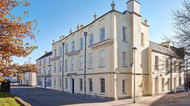
Discover the Vibrant Beeck Mural at Llanelly House
Posted by Sarah, Celtic Sustainables on 24th Aug 2026
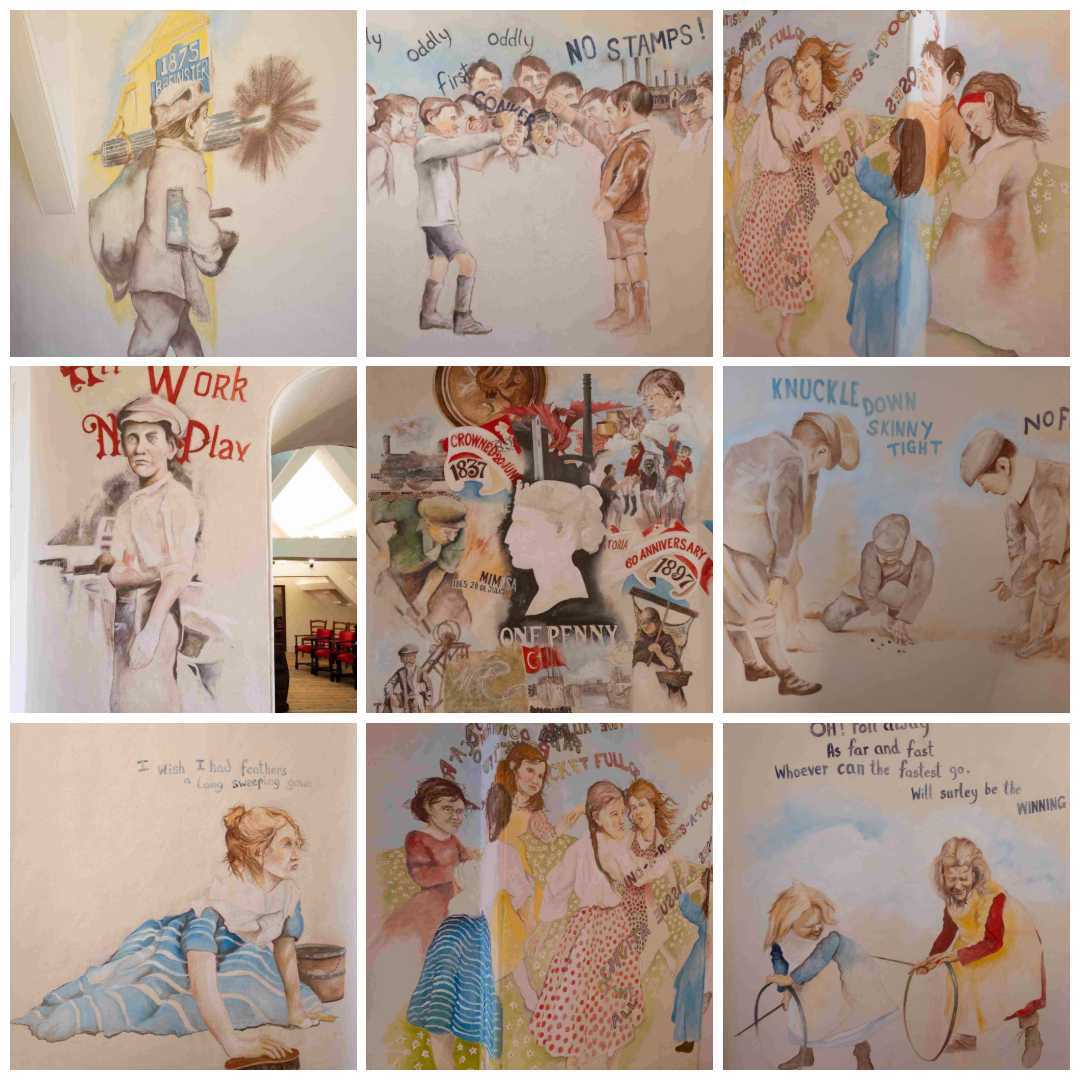
A journey through Victorian Llanelli, brought to life by local artist William Reimnitz, and Llanelli Art Society as part of their community projects using Beeck mineral paints to create a wonderful mural inside the historic Grade 1 Listed building.
At Celtic Sustainables, we love seeing our products become part of something much bigger than a building project. Sometimes, they become part of a work of art, a historic building, or a story that will be enjoyed for generations.
That's exactly what happened when local artist William Reimnitz was commissioned to create a series of murals at the historic Llanelly House.
Set within this beautifully restored Georgian manor, the artwork explores the people, industries, culture and everyday life of Victorian Llanelli. From children at work and play to the industries that shaped the town, the murals create a fascinating visual journey through the area's history.
And we're delighted that Beeck Interior Silicate Paints, supplied by Celtic Sustainables, played a small part in bringing William's vision to life.
Painting on Historic Lime Plaster
Working within a historic, listed building brings its own considerations. The murals were painted onto traditional lime-plastered walls, so choosing a suitable paint was particularly important.
William came to us to discuss the project, and we recommended Beeck Interior Silicate Paints for their mineral composition, durability, breathability, and suitability for traditional substrates.
Joy, Heritage and Communications Officer at Llanelly House, explains:
“The specialised mineral paint was particularly well suited to the conservation requirements of a listed building, providing compatibility with traditional lime surfaces while maintaining the breathability of the plaster.”
William selected five colours from the Beeck colour card:327, 329, 325, 350 and 207.
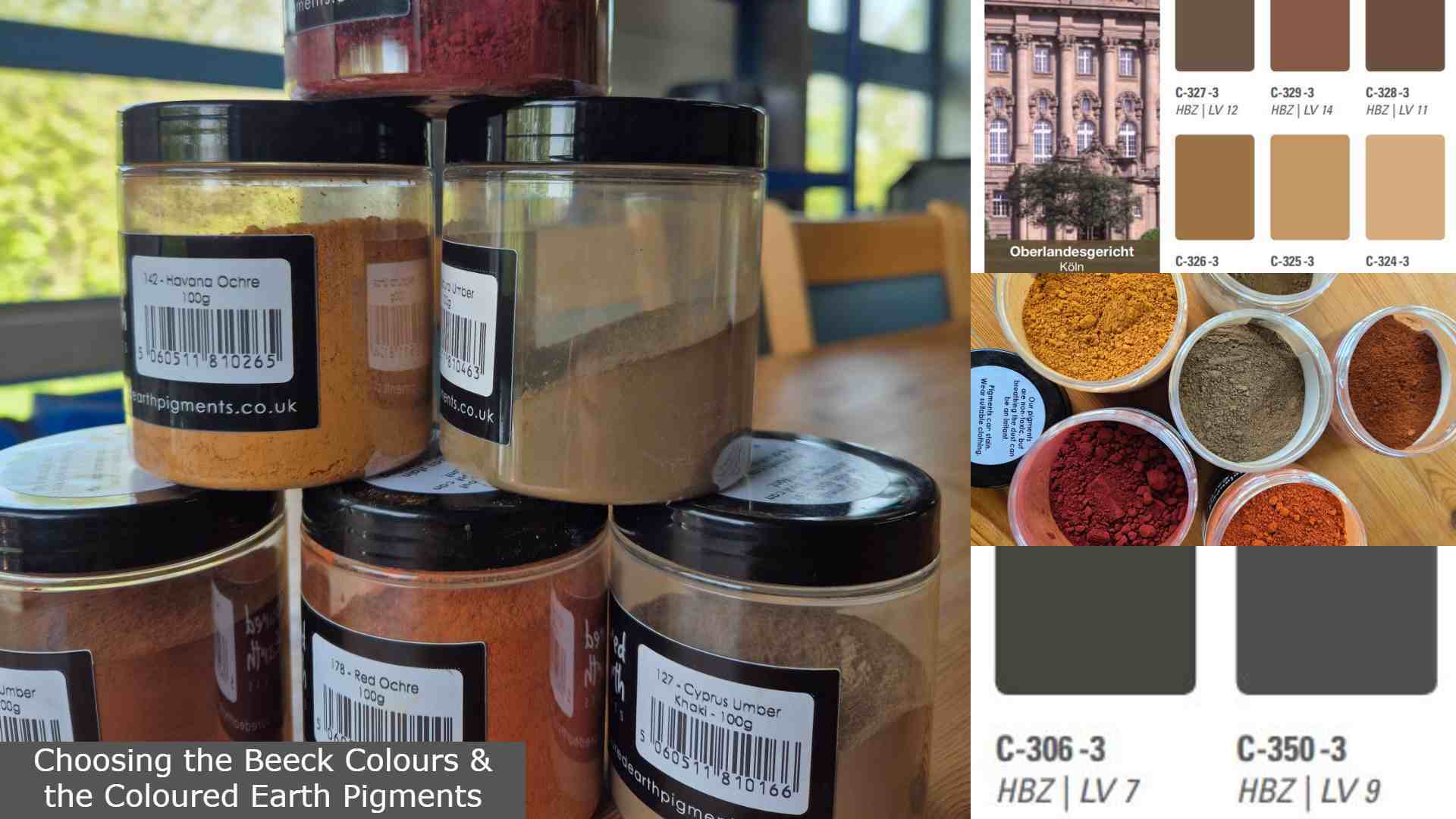
To create an even wider palette, he combined the Beeck Paint with Coloured Earth Pigments, including Burnt Umber, Cassel Brown Earth, Sunflower Yellow, Monte Carlo Blue and Vermilion Red.
This gave William the flexibility to create additional shades and subtle variations within the artwork.
Joy found the pigments particularly useful:
“The powdered pigments mixed easily into the ready-to-use paint, allowing a wide range of subtle tones and colour variations to be achieved with consistency and accuracy.”
For an artwork containing so many details, characters and historical references, that flexibility was invaluable.
Mural: From Child Labour to Childhood
One of the most striking sections of the mural explores the changing experience of childhood during the Victorian period.
At the beginning of the collection, children are shown working in some of the harshest environments of the Industrial Revolution. Chimney sweeps, factory workers, maids and miners represent a time when children's labour was often essential to family survival.
The paintings don't shy away from the reality of Victorian working life. Long hours, dangerous conditions and poor working environments affected thousands of children, with some suffering serious injury and illness.
As visitors move along the hallway, however, the story begins to change.
The scenes of labour gradually give way to school, games and childhood.
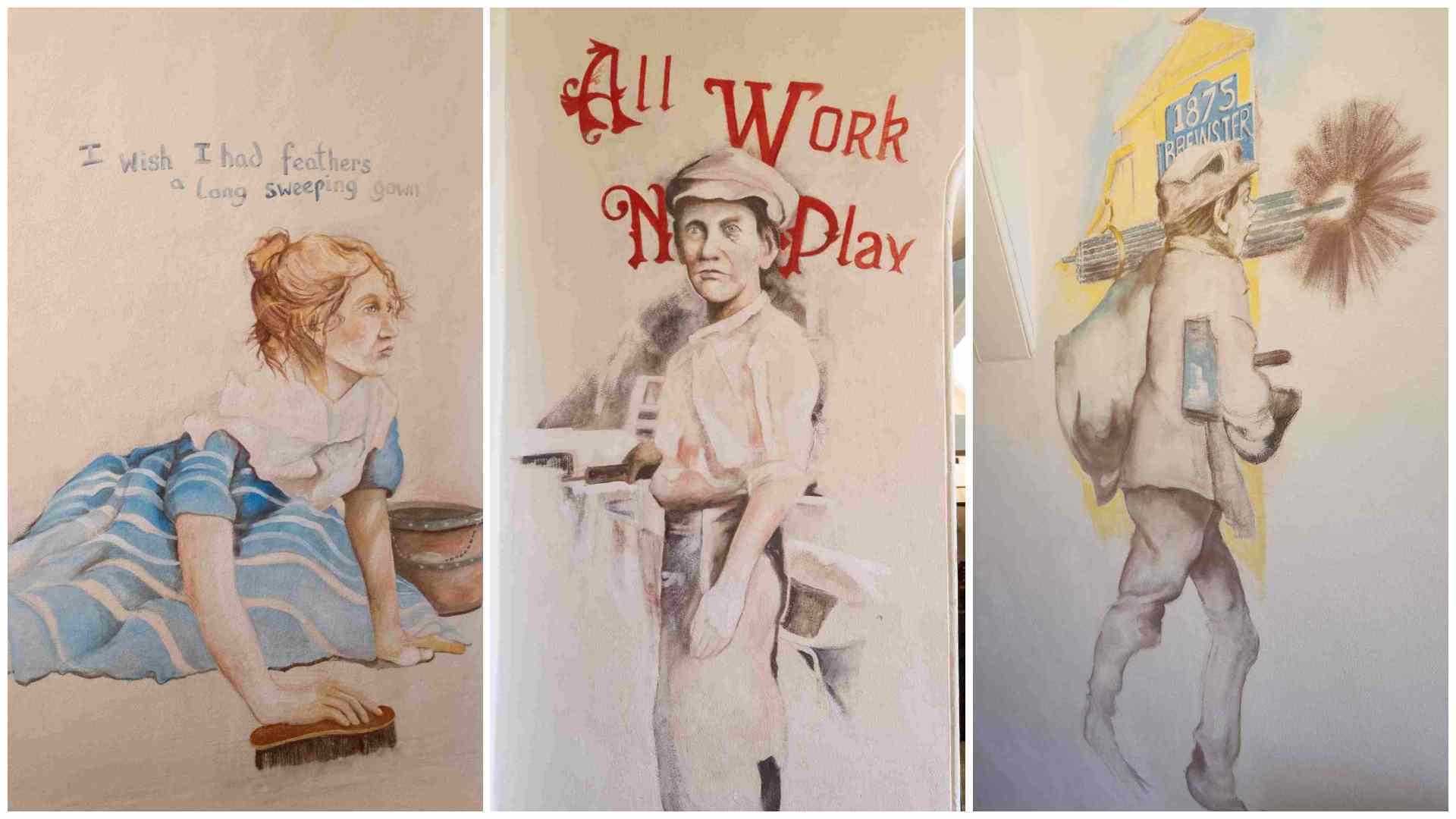
Children at work
William's paintings depict the difficult working lives experienced by many Victorian children, from chimney sweeps and factory workers to domestic servants.
A New Kind of Childhood
The contrast is striking.
Instead of children working, we begin to see them learning, playing and spending time with their friends.
On the girls' side of the hallway, children are shown enjoying traditional games including hoop rolling, skipping and hopscotch.
On the boys' side, there are marbles, conkers and leapfrog.
The paintings capture something easy to take for granted today: the idea that childhood should include time for education, play and development.
Joy describes the collection as a journey:
“These Victorian artworks do more than capture scenes of childhood; they illustrate one of the most significant social transformations in British history, from children as workers to children as pupils and playmates.”
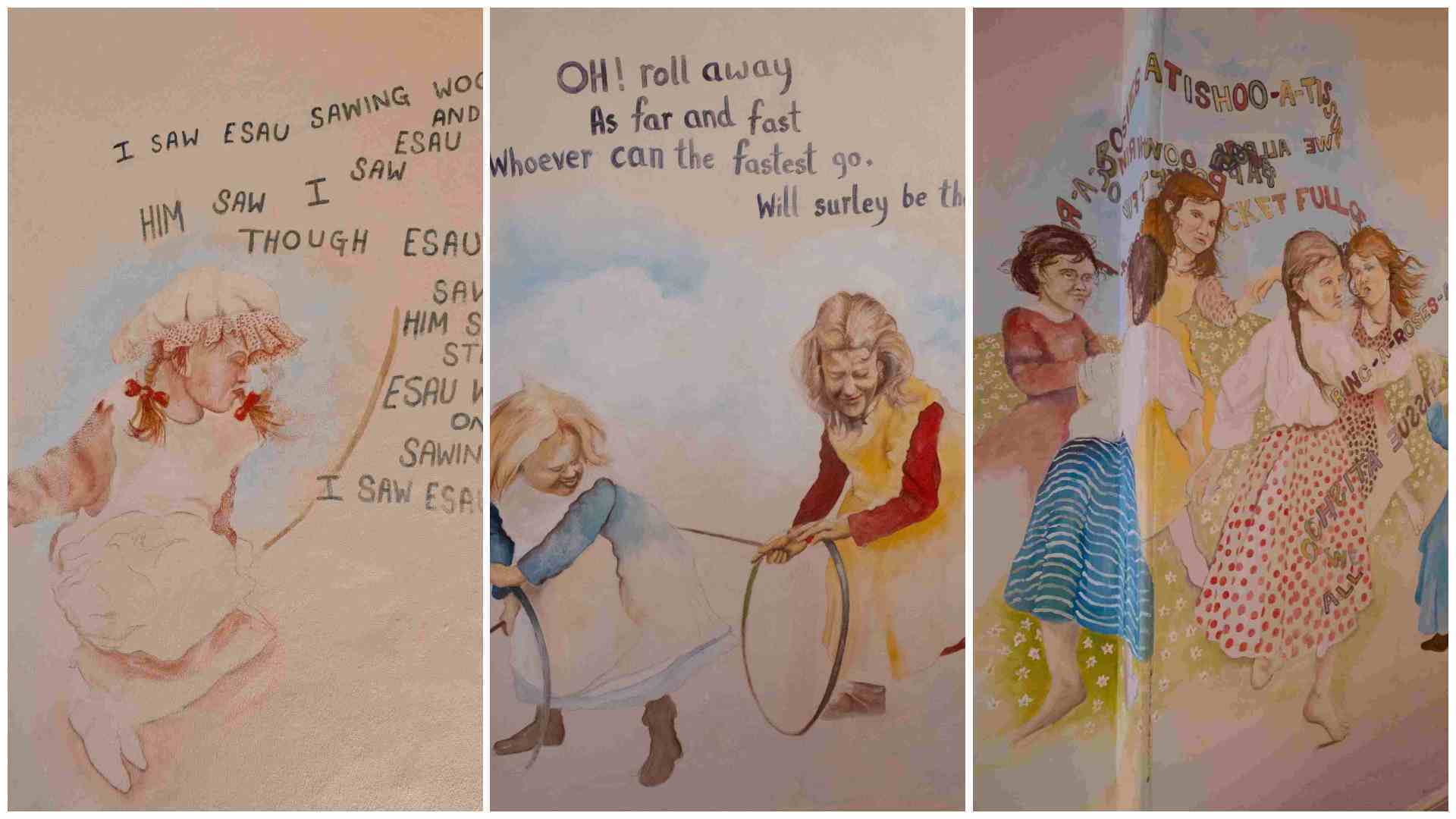
Girls playing
The girls' paintings capture Victorian childhood through familiar games including skipping, hoop rolling and hopscotch.
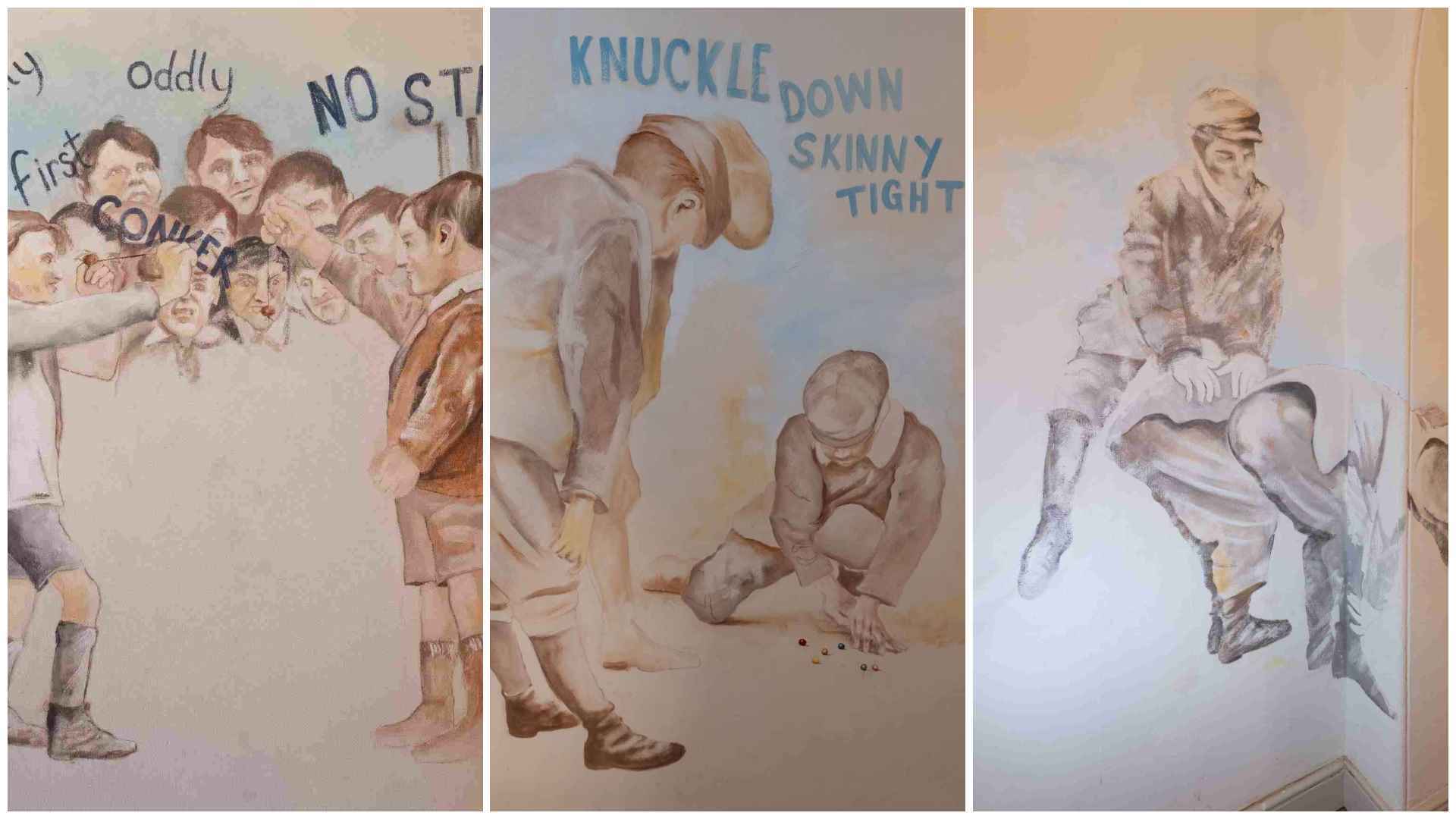
Boys playing
Across the hallway, boys are shown enjoying traditional games including marbles, conkers and leapfrog.
When Games Become Part of Our Language
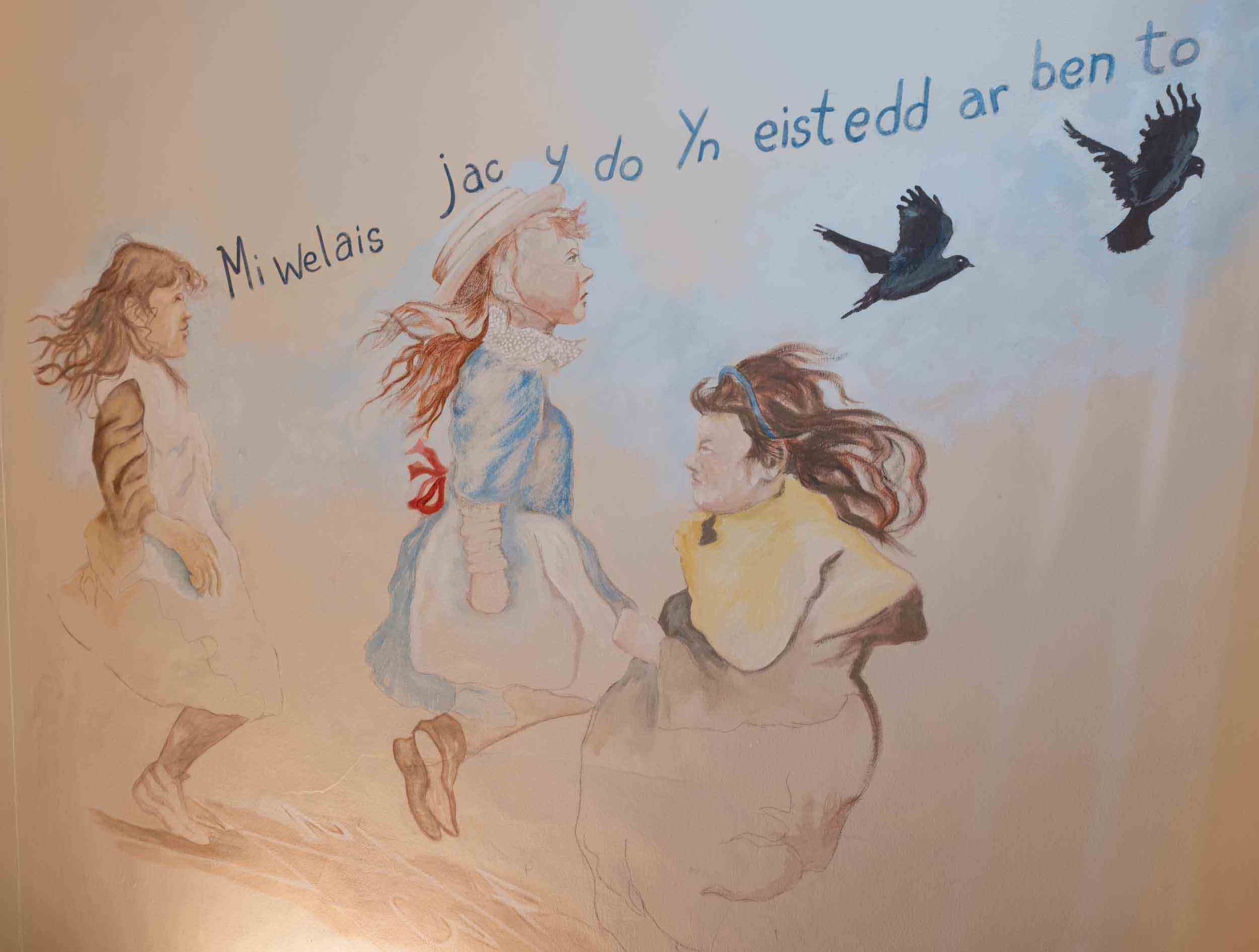
Some of the details within the paintings have connections that reach right into everyday life.
Take the expression “knuckle down”.
Today, we use it to mean getting on with something and concentrating. Its origins can be traced back to the game of marbles, where players placed their knuckles on the ground when taking their shot.
It's a lovely example of how these seemingly simple childhood games were connected to the skills, language and values of everyday Victorian life.
A Celebration of Victorian Llanelli
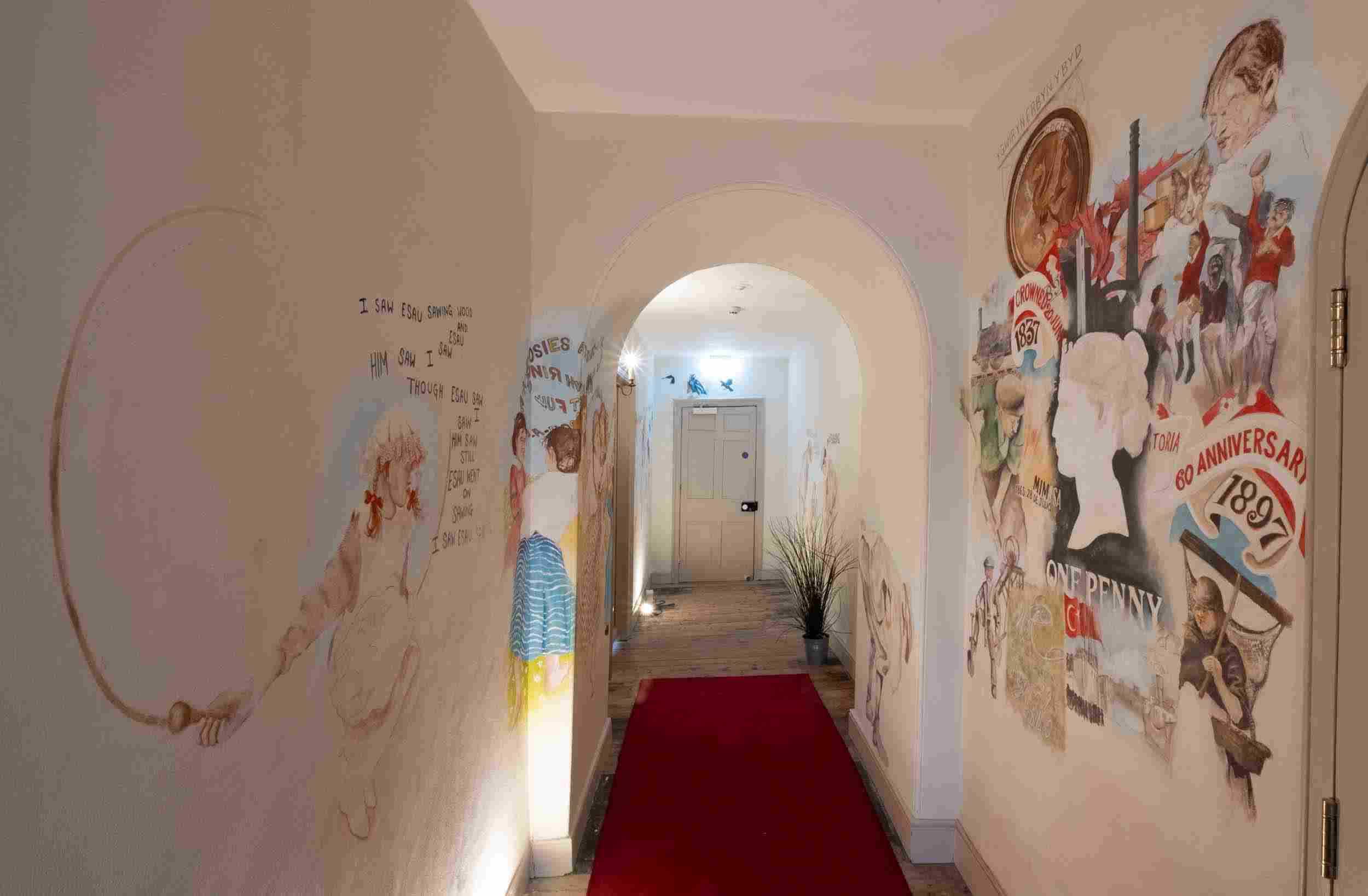
Perhaps the most ambitious section of the mural brings together a whole collection of symbols representing nineteenth-century Llanelli.
At first glance, it is a colourful and fascinating collection of characters and objects. Look closer, however, and almost every detail tells part of the town's story.
A steam train represents the arrival of the railway and the connection with engineer Isambard Kingdom Brunel.
Felinfoel Brewery and the tinplate industry represent Llanelli's industrial growth, while Sosban Fach brings another recognisable piece of local culture into the artwork.
The Ddraig Goch celebrates Welsh identity, while the Mimosa recalls the famous voyage that carried Welsh settlers to Patagonia in 1865. There are references to Llanelli's coal industry, pottery, docks and cockle-picking tradition.
Together, these details create a colourful snapshot of a town shaped by industry, trade, migration and Welsh identity.
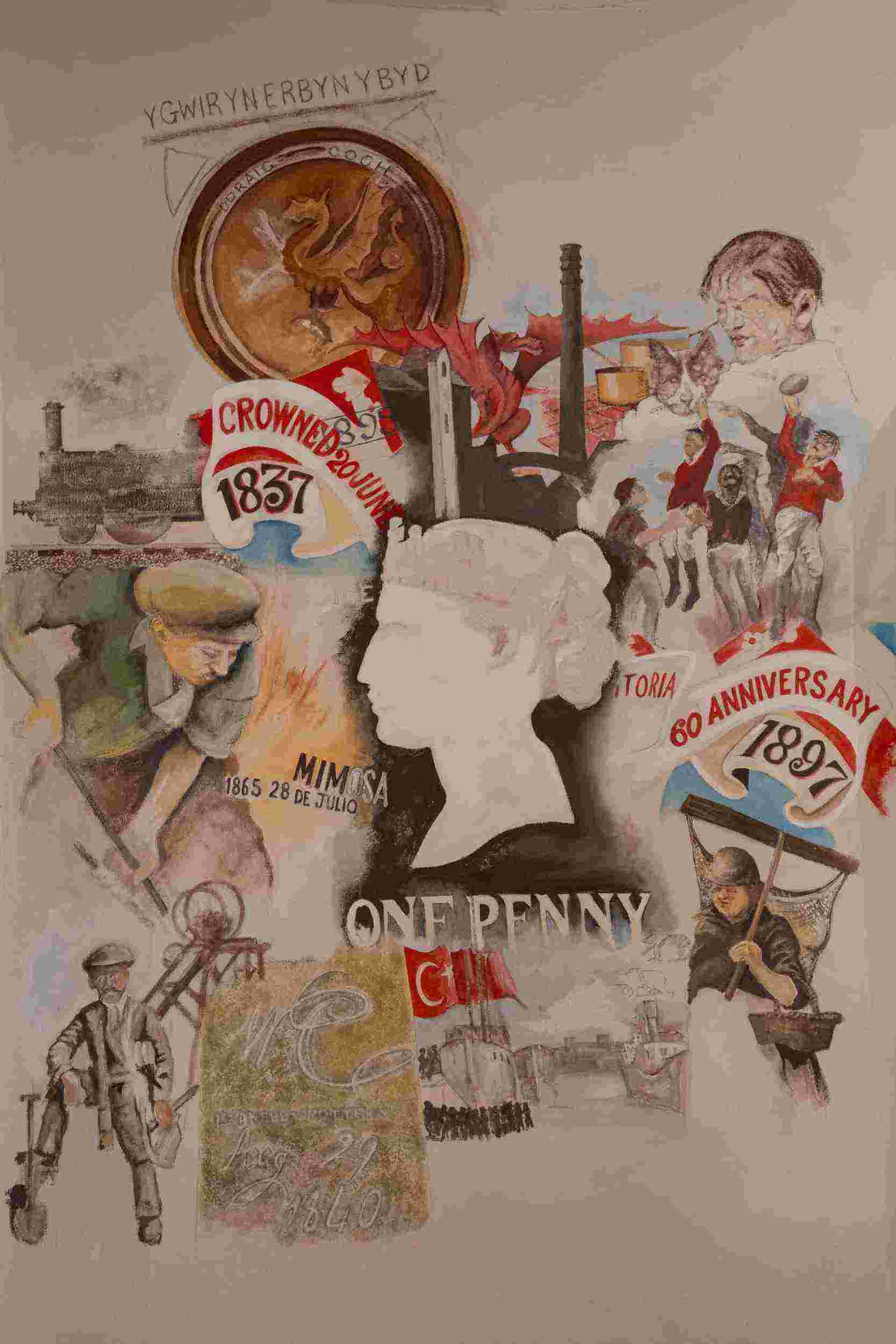
A celebration of Victorian Llanelli
William brings together some of the people, industries, landmarks and cultural symbols that helped shape Llanelli during the Victorian era.
Beeck Paint for a Historic Setting
For us here at Celtic Sustainables, it's particularly rewarding to see Beeck Interior Silicate Paint being used for a project like this.
When working within historic buildings, the materials chosen need to work with the building rather than simply cover it. The Beeck paint was selected for its mineral composition, breathability and compatibility with the traditional lime-plastered walls.
And for William's artwork, the ability to work with a carefully selected palette and introduce additional earth-pigment colours offered the flexibility needed for such a detailed mural.
Joy adds:
“The finished murals have been extremely well received by visitors. Based on our experience, we would confidently recommend Beeck paint to artists, conservators and heritage professionals undertaking decorative painting projects within listed buildings, especially in conservation settings involving lime-plastered walls.”
Bringing Llanelli's History to Life
What we particularly love about this project is that the mural isn't simply decorative.
It tells a story.
It gives visitors a glimpse into the lives of people who lived and worked in Llanelli, from children working during the Industrial Revolution to children enjoying the newfound opportunities of education and play.
It celebrates the industries that built the town, the people who worked within them, the Welsh traditions that endured and the communities that shaped Llanelli's identity.
And thanks to William's incredible attention to historical detail, those stories can now be enjoyed by visitors to Llanelly House for years to come.
We'd like to extend our sincere thanks to William Reimnitz for his creativity, research, time and expertise throughout the project, and to Joy and the team at Llanelly House for sharing the story with us.
Thank you also goes to Gary Shinner for photographing the project and capturing the finished murals so beautifully.
The completed mural at Llanelly House
William Reimnitz's finished mural brings together history, art and local heritage across the walls of this remarkable Georgian building.
If your interested in seeing the murals and learning about the history of Llanelly House, they actually do guided tours! Learn more about them here: https://www.llanelly-house.org.uk/visit/tours/
Looking for Paint for a Heritage or Decorative Project?
Whether you're working on a listed building, lime-plastered walls or a detailed decorative project, choosing the right paint can make all the difference.
Beeck Interior Silicate Paints offer a mineral-based, breathable finish in a wide range of colours, with sample pots available to help you find the right shade.
Have a project you're working on? Get in touch with the Celtic Sustainables team. We're always happy to talk through your requirements and help you find a suitable paint for the building and the job.